
The Evolution of Drill Music: From Chicago to the UK
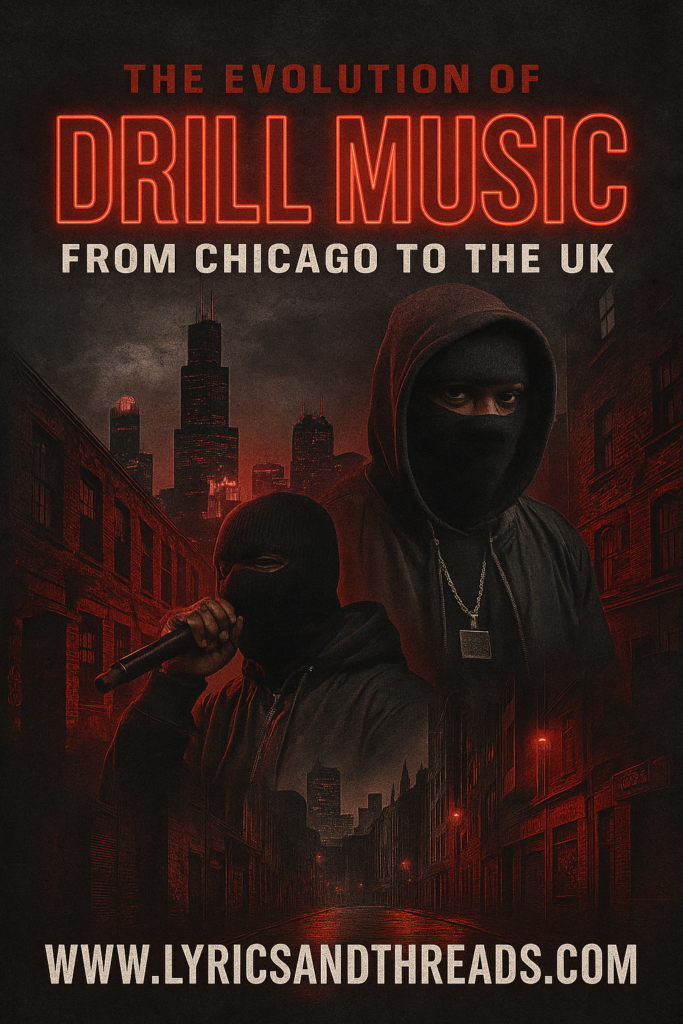
Drill music is more than a subgenre of hip-hop—it’s a raw, unapologetic expression of life in marginalized communities. Since its origin on the South Side of Chicago in the early 2010s, drill has evolved into a global sound, impacting music scenes in New York, London, and beyond. In this article, we trace the evolution of drill music, how it shaped urban culture, and where it’s heading next.
What is Drill Music?
Drill music is a style of trap-influenced rap that is known for its:
- Dark, gritty beats with heavy 808s
- Raw, aggressive lyrical delivery
- Themes centered on street life, struggle, and survival
- Minimalist production, often loop-based
While often criticized for its association with violence, drill is also praised for giving a voice to the voiceless and reflecting the harsh realities of its creators.
The Birthplace: Chicago
Drill music was born in the early 2010s in Chicago, particularly the South Side, a region plagued by high crime rates, systemic poverty, and over-policing.
Pioneers of Chicago Drill:
- Chief Keef: His 2012 hit “I Don’t Like” became a viral sensation and brought drill to national attention.
- Lil Durk: Helped bridge the gap between melodic rap and drill.
- King Louie, G Herbo, and Lil Reese also played key roles.
These artists used platforms like YouTube and WorldStarHipHop to bypass traditional labels, generating millions of views and building cult followings.
Signature Sound:
- Beats produced by Young Chop became the standard.
- Slower BPMs (~60–70)
- Emphasis on repetitive hooks and punchy bars
Chicago drill was not just music—it was a lifestyle and a reflection of the trauma and resilience of its community.
The New Wave: New York Drill
By the mid-2010s, drill made its way to New York City, evolving with influences from both Chicago and London.
Key NY Drill Artists:
- Pop Smoke (RIP): His breakout hit “Welcome to the Party” launched the Brooklyn drill wave.
- Fivio Foreign: Continued the sound post-Pop Smoke.
- Sheff G, 22Gz, and Kay Flock: Brought more street authenticity to the genre.
Beat Influence:
Interestingly, many NY drill beats were produced by UK producers like 808Melo, creating a transatlantic collaboration that shaped the modern sound.
Sound Profile:
- Faster BPMs (often 140+)
- Sliding 808s, punchy snares, and syncopated hi-hats
- More polished production compared to early Chicago drill
The UK Connection: London Drill
London drill, or UK drill, began developing in the mid-2010s and is now one of the most prominent scenes in the UK.
UK Drill Pioneers:
- 67 and Section Boyz
- Headie One, Unknown T, Digga D, and LD
Key Features of UK Drill:
- Use of British slang and accents
- Rapid-fire lyrical flows
- Beats influenced by grime and garage
- Edgy, artistic music videos with masked visuals
The Sound:
- Grimy and more electronic in feel
- Producers like M1OnTheBeat, Ghosty, and MKThePlug
UK drill faced backlash for inciting violence, leading to court injunctions and video removals. Yet, it remained resilient and increasingly sophisticated.
Global Expansion
Drill has reached audiences far beyond the US and UK. We now see scenes in:
- Ireland
- France (notably Paris and Marseille)
- Australia (OneFour and HP Boyz)
- Africa, with drill-influenced acts from Ghana and Nigeria
The genre’s core themes—poverty, identity, resistance—are universal, making drill a global voice of marginalized youth.
Cultural Influence
Drill’s impact extends well beyond the music:
Fashion:
- Masked visuals, puffer jackets, trapwear
- Crossovers with streetwear brands like Trapstar, Corteiz, and Off-White
Dance:
- Drill-influenced TikTok challenges (especially NY drill)
- Localized dance trends (e.g., Pop Smoke’s “Woo Walk”)
Film & TV:
- Documentaries: The Rise of Drill (YouTube), UK Drill: Music or Menace?
- Artists featured in TV and film scores
Drill is now a fixture in urban music marketing, influencing ad campaigns, fashion lines, and even political discussions.
Criticism & Controversy
Common Criticisms:
- Glorification of violence
- Ties to gang culture
- Influence on youth behavior
But it’s important to recognize:
- Drill reflects lived experiences, not fabrications
- Many artists evolve and use success to leave the streets
- Some drill artists invest in their communities
Policing music often silences important cultural expression. Drill is a mirror, not a cause.
What’s Next for Drill?
Drill is evolving rapidly. Expect to see:
1. More Fusion Genres
- Afro-drill, R&B-drill, Dance-drill
2. Mainstream Collaborations
- Artists like Drake, Nicki Minaj, and Central Cee have embraced drill’s sound.
3. Commercial Viability
- More radio-friendly hooks
- Labels investing in drill-heavy rosters
4. Drill Going Digital
- AI-generated drill beats
- Virtual performances and music videos
Final Thoughts
Drill music is one of the most important musical movements of the 21st century. Born in struggle, fueled by creativity, and amplified by the internet, it continues to shape global youth culture. From Chicago’s gritty blocks to London’s underground, drill is evolving—and it’s not done yet.
Want your music featured on a platform that supports urban storytelling and independent artists? Submit your music to Lyrics & Threads for a chance to be seen, heard, and remembered.

0 comments